
Look Closer At Every Stone
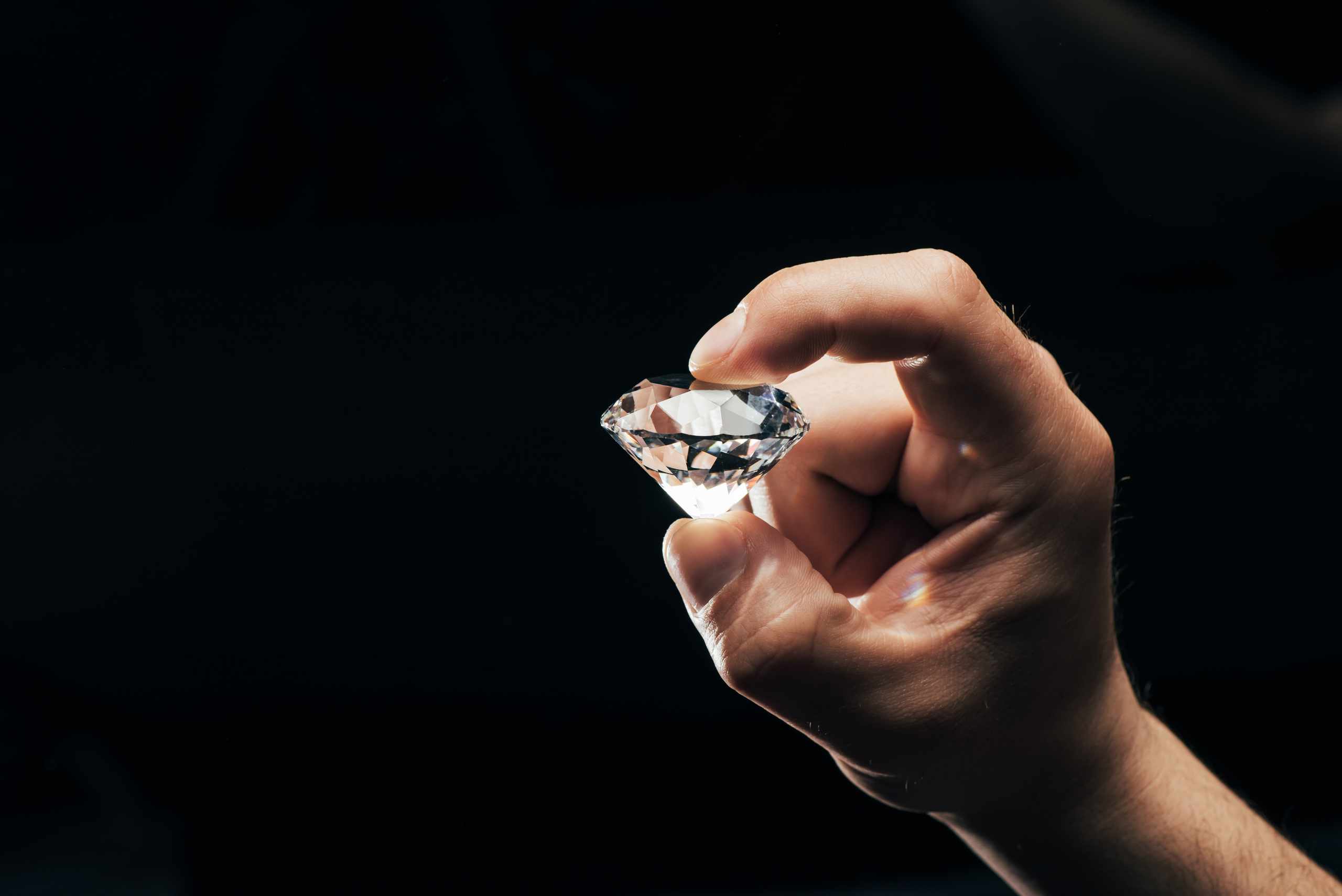
Practice observing gemstone color, luster, facets, inclusions, and surface features before deciding what a specimen might be.

PRACTICAL GEM OBSERVATION
Observe First, Interpret Second
Follow a repeatable inspection order using neutral light, a 10x loupe, and clear specimen notes. Describe hue, tone, transparency, luster, facet wear, and visible inclusions before comparing possible identities.
Core Gemology Practice

Color Description
Describe hue, tone, saturation, and zoning instead of relying on a single color word.
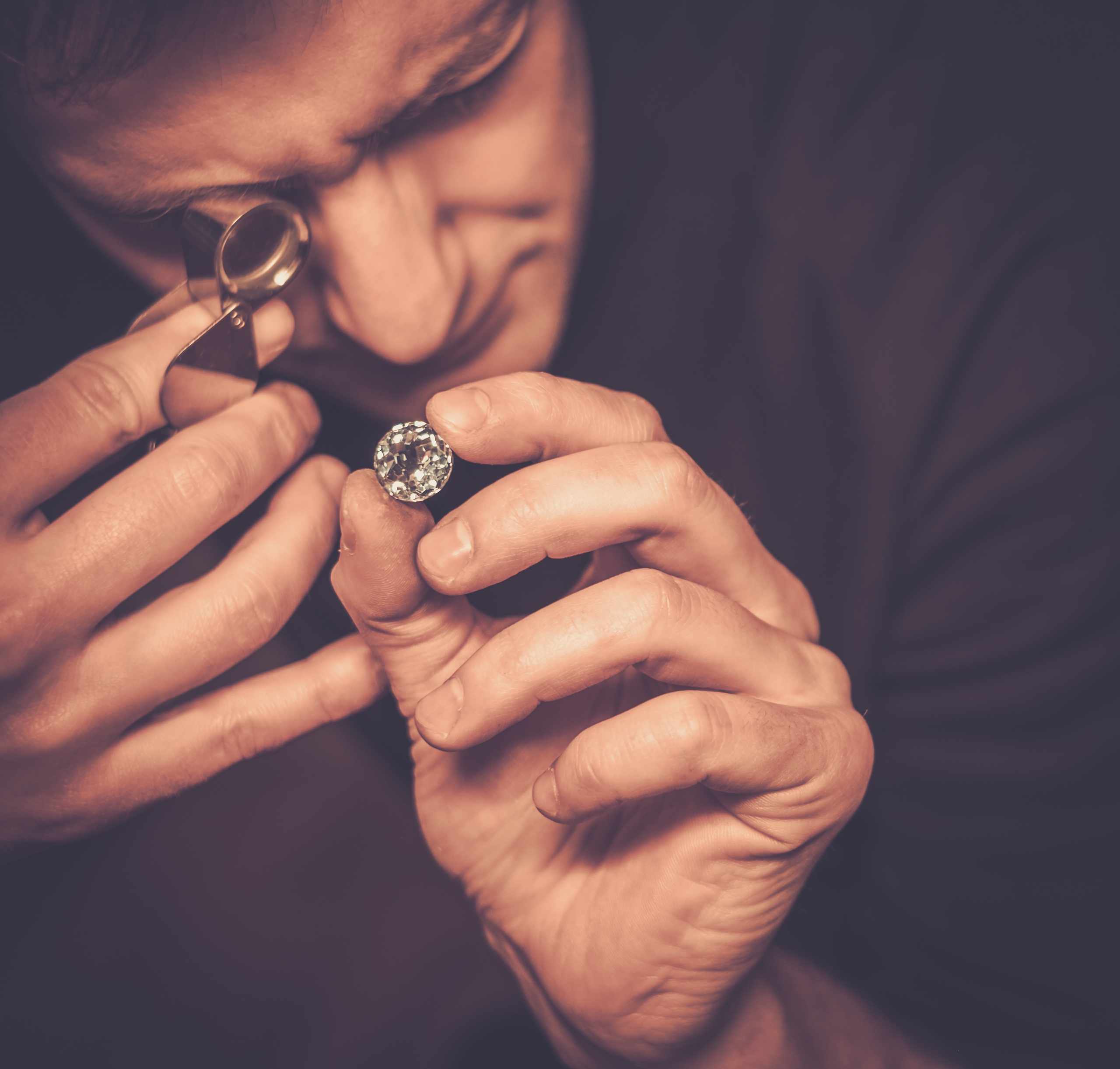
Loupe Inspection
Focus a 10x loupe steadily and separate surface marks from internal features.

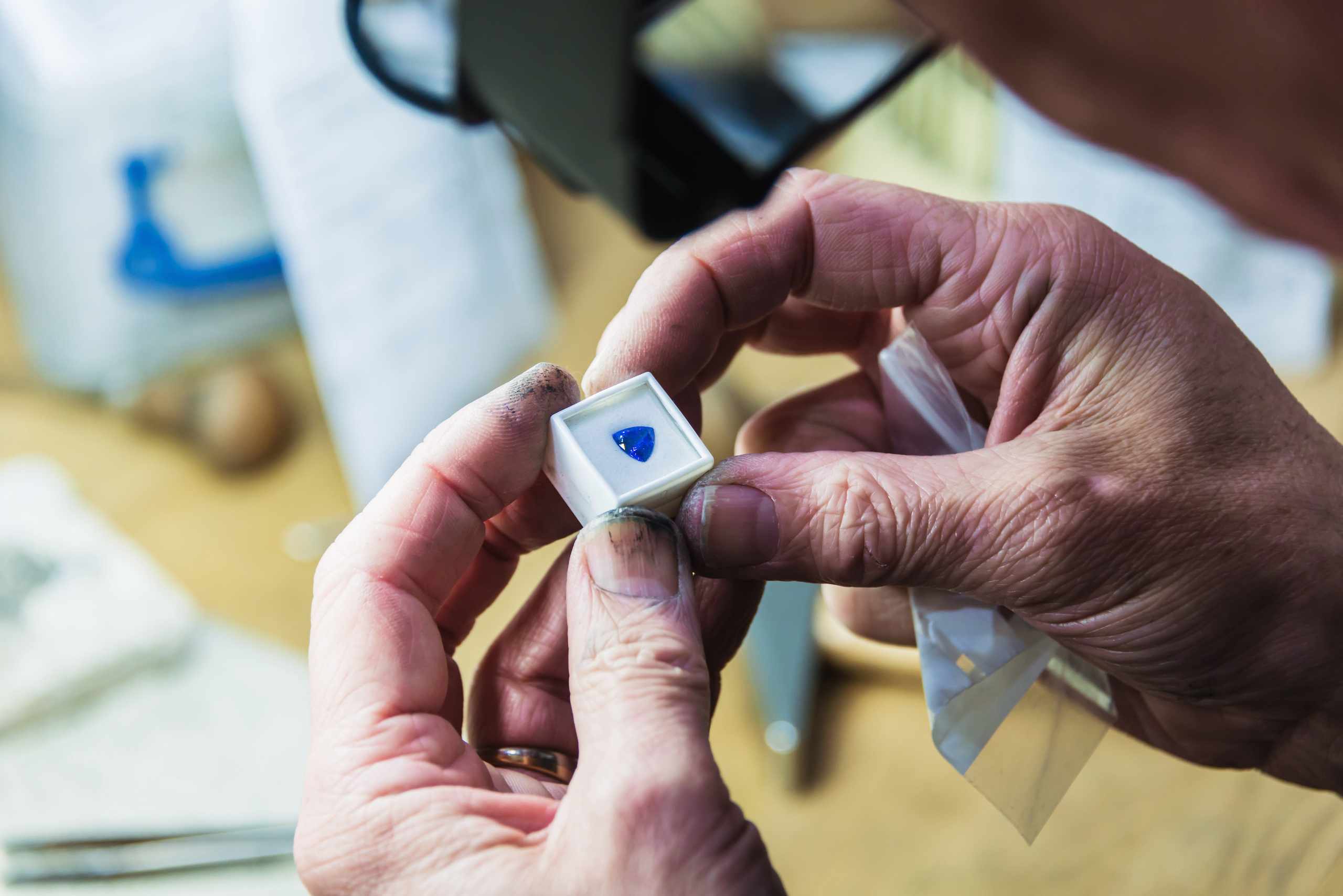
Stone Comparison
Compare specimens in the same lighting and record possible explanations for each clue.
Evidence Records
Keep color, luster, cut, inclusions, and questions in a consistent specimen record.
How Careful Identification Works
See why one color, inclusion, or test result is rarely enough, and how responsible gemology combines several observations while respecting the limits of visual inspection.

Learner Observations

The inspection order helped me stop guessing from color alone. I now check luster, facet wear, and inclusions before writing possible stone names.
Mayumi Matsumae

Loupe practice became much clearer once I learned to inspect the surface first. I can now tell dust, scratches, and internal features apart more reliably.
Akiyo Kajihara

Using specimen records changed how I compare stones. My notes now separate visible evidence from assumptions and show where testing would be needed.
Hajime Matsushita
GEM STUDY JOURNAL
Practical Notes For Closer Observation
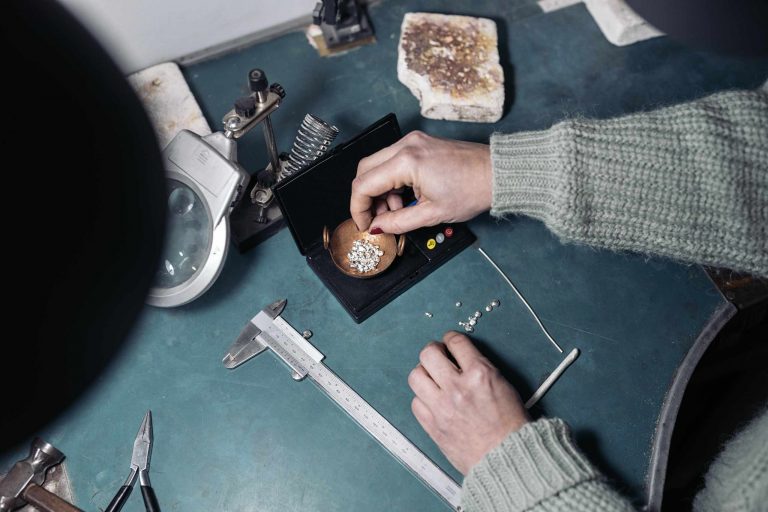
How to Determine If a Feature is on the Surface or Inside a Gemstone
There’s a thin line visible in the stone, yet it seems to…
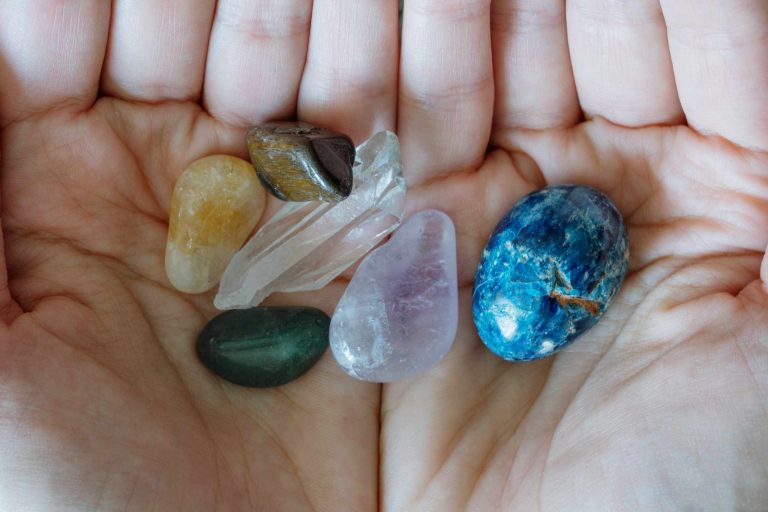
Why Gemstone Color Alone Isn’t Enough for Identification
Put a blue gemstone on a white display tray and you may…

Understanding Hue, Tone, and Saturation: How to Document Gemstone Color
It’s possible to have two stones that are both green yet they…
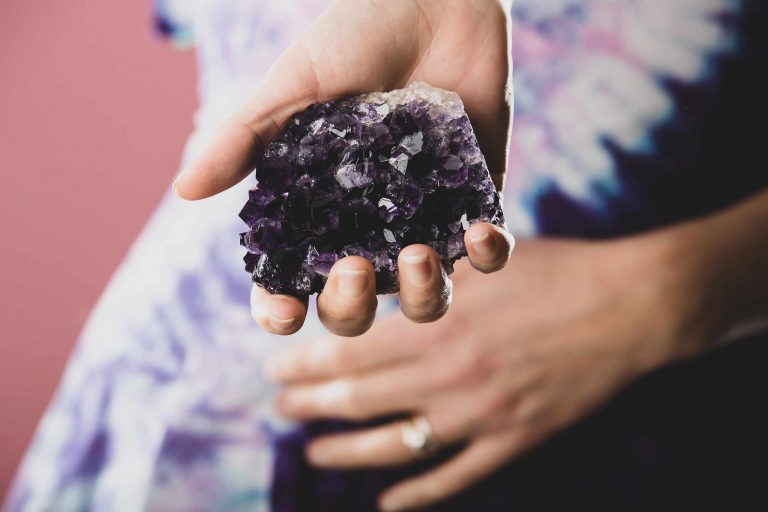
How to Hold and Focus a 10x Loupe Without Losing the Stone
10x loupe: How to hold and focus without dropping your stone. The…