
A Careful Way To Study Gemstones
The course begins with observation rather than quick identification. Learners examine color, transparency, luster, facets, surface marks, and inclusions before considering what a gemstone might be.
Practice follows a consistent sequence. A specimen is viewed under neutral light, rotated slowly, inspected with a 10x loupe, and described in a record that separates visible evidence from interpretation. Comparing stones side by side helps reveal how similar colors can belong to very different materials.
The approach also makes room for uncertainty. One inclusion, flash, or surface feature rarely provides a complete answer, so learners note several possible explanations and recognize when a refractometer, polariscope, laboratory test, or professional appraisal would be needed.
Principles Behind The Practice
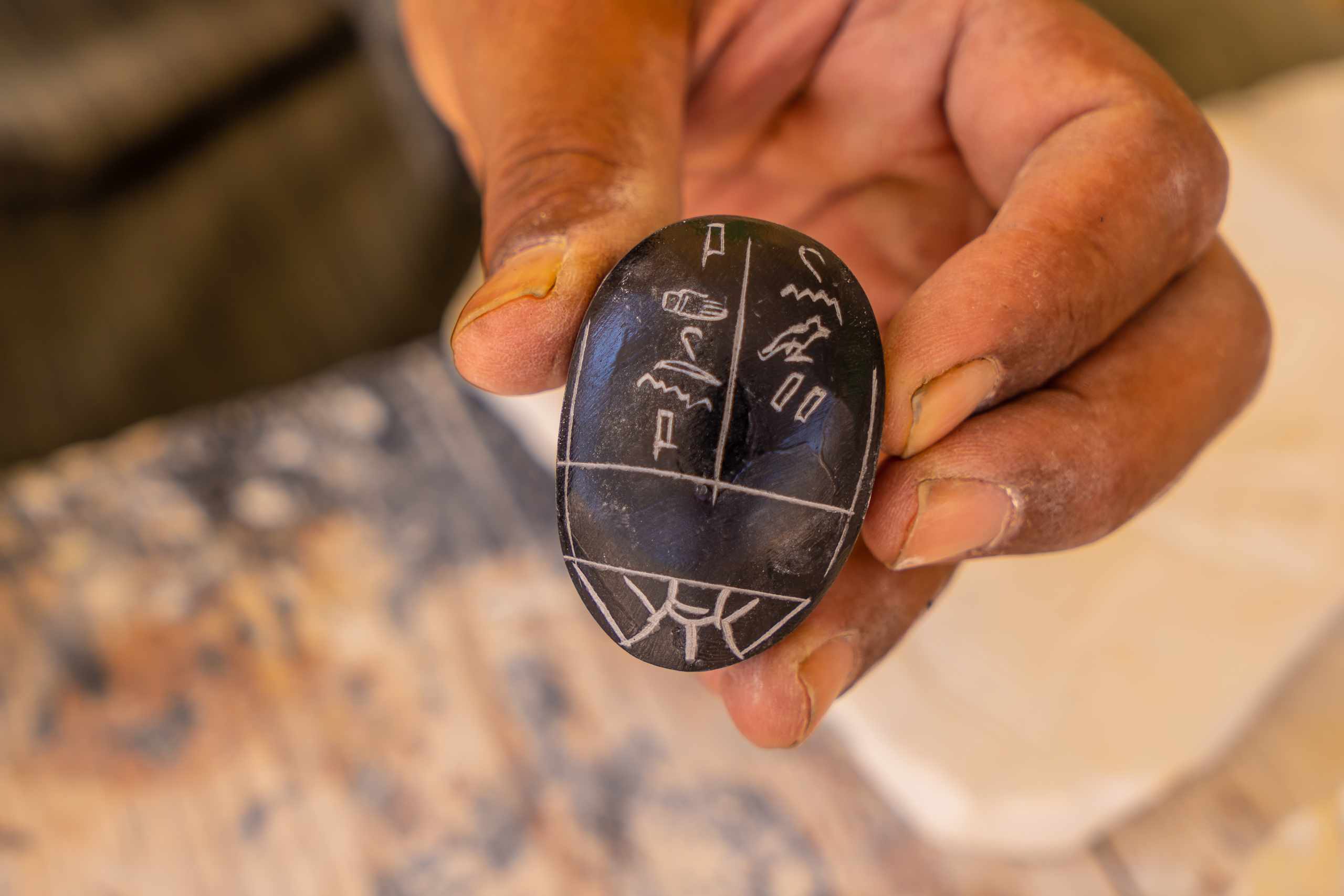
Observe Before Naming
Describe hue, tone, saturation, luster, and visible features before suggesting a possible gemstone identity.

Compare Under Control
Use consistent lighting, positioning, and inspection order so differences between specimens are easier to notice.

Record The Limits
Write down unanswered questions and avoid turning one visual clue into an unsupported conclusion.
Neutral-Light Viewing
10x Loupe Handling
Side-By-Side Comparison
Evidence-Based Notes
Color And Transparency
Practice describing hue, tone, saturation, zoning, translucency, and opacity with more precise language.
Surface And Interior
Learn to separate dust, scratches, chips, and polish lines from inclusions inside the stone.
Testing And Restraint
Understand what basic tools can indicate and when visual study cannot support a firm identification.
PRACTICE BUILT AROUND EVIDENCE
From First Look To Clearer Notes
Each exercise connects terminology with something visible: a facet junction, a band of color zoning, a surface-reaching fracture, a change in luster, or an inclusion seen while the stone is rotated.
The aim is not to guess faster, but to observe more carefully and know what the available evidence can support.